

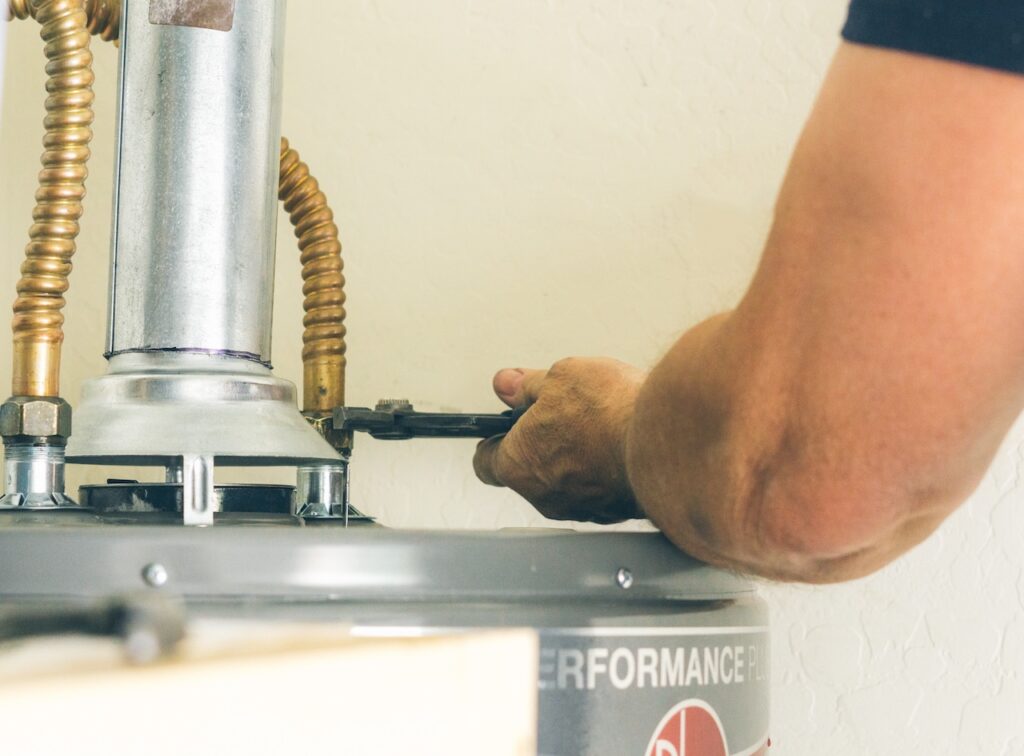
Fall is the right time to think about your water heater and boiler. Why? Because these systems work significantly harder once temperatures drop, and a unit that barely kept up through summer is often the one that fails in January, leaving you in need of emergency water heater repair.
This post covers what a proper fall tune-up should include, what you can handle yourself, and the signs that mean it’s time to call a pro before the cold arrives.
Why Fall Is the Right Time for This Work
Winter puts both water heater and boiler systems under maximum load. Colder incoming water and longer hot showers mean your water heater works harder than it did in July. A marginal unit that coasted through summer gives out when demand spikes, which means failures cluster during those first cold weeks.
Emergency water heater repair or replacements cost more than proactive maintenance, leaving you with off-hours labor, limited model availability, and no time to compare options. Fall service also catches efficiency losses before they hit your bills. Sediment, scale, and poor combustion quietly raise fuel use every month, and that adds up fast over a full heating season.
Water Heater Tune-Up: What Should Be Checked
Flush the Tank
Draining accumulated sediment restores heating capacity, reduces the rumbling and popping you might hear during heating cycles, and extends the life of the tank itself.
Inspect the Anode Rod
The anode rod is a sacrificial component that protects the tank lining from corrosion. Once it’s depleted, the tank itself starts to corrode. Catching a worn rod early is one of the highest-value water heater repair tasks a technician can perform.
Test the T&P Relief Valve
The temperature and pressure relief valve is the single most important safety device on the unit. If it fails to open under excess pressure, the consequences are serious. Testing it annually is non-negotiable.
Check the Thermostat Setting
Around 120°F balances scald risk, energy efficiency, and potentially even bacteria control. Too high, and you’re paying to overheat water you’ll then dilute with cold.
Inspect Connections, Fittings, and the Drain Pan
Corrosion at the inlet and outlet nipples, weeping valves, and standing water in the drain pan are all signs of a problem that’s easier and cheaper to fix now than later.
Verify Venting and Combustion Air (Gas Units)
Blocked or backdrafting flues are a carbon monoxide risk. This check alone is worth scheduling professional water heater repair or maintenance every fall.
Check Elements and Wiring (Electric Units)
Scaled heating elements draw more power and heat less water. A technician can test output and compare it to what the unit should be delivering.
Confirm Expansion Tank Function
A waterlogged expansion tank puts pressure stress on the entire system. If the tank has lost its air charge, it’s no longer doing its job.
Tankless Water Heaters Need Their Own Service
Tankless units have different failure points than storage tanks. A proper annual service to avoid emergency water heater repair includes:
- Descaling the heat exchanger—hard water builds scale fast, triggering error codes and short cycling
- Cleaning the inlet filter and air intake
- Checking flow sensors and error history
- Verifying gas pressure and venting
Boiler Tune-Up: What Should Be Checked
Combustion Test and Burner Cleaning
Adjusting the burner for clean, efficient combustion is the core of any boiler maintenance visit. A dirty or misadjusted burner wastes fuel and shortens equipment life.
Check System Pressure and the Expansion Tank
Low pressure means poor circulation and cold zones. High pressure trips the relief valve. Either way, the system isn’t doing what it should.
Bleed Air from Radiators and Zones
Trapped air is the most common cause of a cold room in a house with a working boiler. Bleeding the system in fall means every zone heats evenly when you need it.
Inspect the Circulator Pump
Noise, excessive heat, and seal leaks all point to a pump nearing the end of its service life. Catching it during boiler maintenance beats replacing it on an emergency call.
What You Can Do Yourself
You don’t need a service call to stay on top of the basics before you need water heater repair. Here’s what any homeowner can manage:
- Look and listen monthly: Rumbling, ticking, popping, or a whistling relief valve are all worth a call
- Keep the area clear: Nothing stored against the unit, nothing blocking combustion air
- Check the drain pan and floor: Rust stains and damp concrete point to a slow leak
- Note recovery time: If hot water runs out faster than last year, something has changed
- Test your CO detectors: Test every level of the house, especially near fuel-burning equipment
- Know where the shutoffs are: This includes cold water inlet, gas valve, breaker, and the main
Factors That Mean More Frequent Service
Some situations call for closer attention than a standard annual schedule:
- Hard water: Scale and sediment accumulate faster and shorten equipment life
- Aging equipment: Tanks past 8 to 10 years and boilers past 15 warrant closer monitoring
- Garage, attic, or crawlspace installations: Unheated locations add freeze risk and harder access during water heater repair
- Rentals and vacant properties: Nobody notices a small leak until it’s no longer small
Schedule Your Fall Service with Excel Plumbing & Heating
If you’d rather have a licensed professional handle the water heater repair, boiler maintenance, and system checks before winter arrives, Peter and the team at Excel Plumbing & Heating are here to help. Serving Hibbing, Mountain Iron, Virginia, Ely, Tower-Vermillion, and the surrounding Iron Range with upfront pricing and real expertise.
Schedule your fall service appointment today.
