

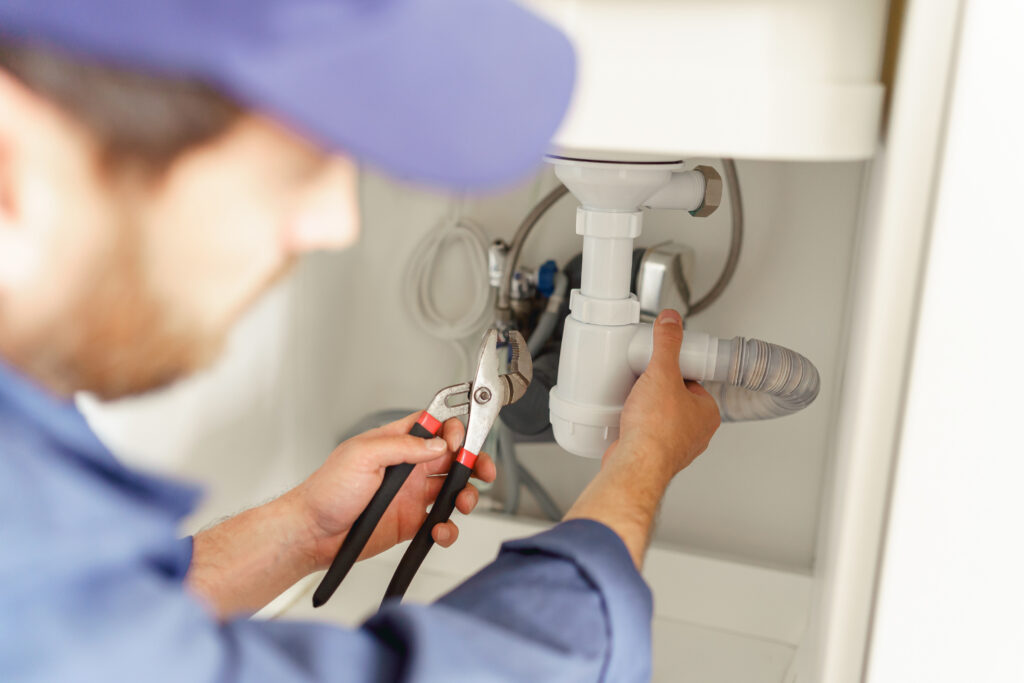
Most plumbing problems don’t announce themselves. A slow drip, a corroding supply line, a valve that hasn’t been tested in years; these things quietly build toward something expensive. This post lays out how often each part of your system actually needs plumbing maintenance, and which tasks you can handle yourself between professional visits.
Why Preventive Plumbing Maintenance Matters
A slow drip, a hairline crack, or a corroding valve rarely gets noticed until there’s water damage behind your walls. By then, you’re paying for a lot more than plumbing. Your cabinetry, flooring, tile, and vanities are usually worth more than the pipes beneath them—keeping those pipes in good shape protects your kitchen and bathroom investments.
Documented preventative maintenance also strengthens insurance claims and keeps fixture warranties valid, giving insurers less reason to push back when something goes wrong. On top of that, silent toilet leaks and running fixtures waste thousands of gallons every year, losses that regular checks can catch before they show up on your water bill.
The Short Answer
Here’s the baseline schedule for how often you need plumbing maintenance:
Most homes: Annual whole-home plumbing inspection.
Higher-risk homes: Every six months. This includes older plumbing systems, homes with hard water, large households, properties with a history of backups, and rental units.
New construction: Every two to three years. Newer systems still benefit from periodic checks, especially water heaters and shutoff valves.
What an Annual Plumbing Inspection Should Cover
A thorough professional plumbing inspection goes beyond a quick visual check. Here’s what a licensed plumber should evaluate:
- Supply lines and shutoffs: Testing main and fixture shutoffs, checking braided lines for bulging or corrosion.
- Water heater: Flushing sediment, checking the anode rod, testing the T&P relief valve.
- Drains and sewer: Flow testing, slow-drain diagnosis, camera inspection when warranted.
- Fixtures and faucets: Aerators, cartridges, seals, toilet flappers, and fill valves.
- Water pressure and pressure regulator: Verifying pressure sits in a safe range to protect pipes and appliances.
- Under-sink and behind-wall areas: Checking for staining, soft spots, and appliance connections.
- Water quality: Hardness and sediment levels that shorten fixture and water heater life.
Task-by-Task Frequency Guide for Plumbing Maintenance
Here’s a breakdown of how often specific tasks need plumbing maintenance:
Monthly
- Check under kitchen and bath sinks for moisture
- Run rarely used fixtures to prevent stagnation
- Clean aerators as needed
Quarterly
- Test toilets for silent leaks using a dye tablet
- Clear pop-up drain stoppers
- Exercise the main shutoff valve so it doesn’t seize
Twice Yearly
- Clean showerheads
- Inspect caulk and grout at tubs and showers
- Check washing machine hoses for wear or bulging
Annually
- Schedule a professional plumbing inspection
- Flush the water heater
- Arrange for sewer line assessment if you’ve had prior issues
Every Few Years
- Replace supply hoses
- Service or replace the pressure regulator
- Evaluate aging fixtures for efficiency or reliability issues
Factors That Should Push You Toward More Frequent Service
Some homes simply need closer attention. Consider shorter intervals between plumbing maintenance visits if any of these apply:
- Older pipe materials: Galvanized steel, polybutylene, and original cast iron all warrant more frequent monitoring.
- Hard water: Mineral buildup accelerates scaling in heaters, faucets, and valves.
- Tree roots near older sewer laterals: Recurring intrusion calls for a maintenance interval, not one-time fixes.
- Cold-climate exposure: Pipes on exterior walls, in crawlspaces, or in unheated areas face freeze risk every winter.
- Large households: More showers, dishes, and laundry means faster wear across the whole system.
- Recent remodels: New kitchen or bath work deserves a follow-up check after its first full season of use.
Warning Signs That Override the Schedule
Don’t wait for your next scheduled plumbing inspection if you notice any of the following:
- Sudden drops in water pressure
- Discolored or metallic-tasting water
- Recurring slow drains or gurgling sounds
- Unexplained spikes in the water bill
- Sewer odors, damp spots, or warm floor areas
- Water heater noises, rust, or inconsistent hot water
DIY vs. Professional: Drawing the Line
Knowing which plumbing tasks you can handle yourself (and which ones to leave to the pros) can save you time, money, and a whole lot of headaches.
Safe for homeowners: Visual checks under sinks, aerator cleaning, dye tablet leak tests, and washing machine hose inspections.
Leave to a licensed plumber: Water heater service, pressure regulator work, sewer camera inspections, and anything behind a wall or requiring permits.
One note worth making: chemical drain cleaners are not a form of plumbing maintenance and should not be overused. They can damage pipes over time and mask underlying problems that will only get worse.
Building a Maintenance Habit That Sticks
The hardest part of plumbing maintenance isn’t the work itself; it’s remembering to do it (and then actually doing it). Here are a few tips:
- Set calendar reminders by season: Tie tasks to seasonal milestones so nothing slips through the cracks.
- Keep a simple home plumbing log: Note inspection dates, any repairs made, and who did the work.
- Know where your main shutoff is before you need it: This one simple step can limit water damage significantly during an emergency.
- Consider a maintenance plan: Some local plumbers offer scheduled service agreements that take the guesswork and mental energy out of timing.
Schedule Your Next Plumbing Inspection with Excel Plumbing
If you’re not sure when your system was last looked at, now is a good time to find out. Excel Plumbing and Heating serves Virginia, Hibbing, Mountain Iron, Eveleth, Ely, and the surrounding Iron Range communities. You can count on upfront pricing, honest recommendations, and the kind of thoroughness that keeps small issues from becoming big ones.
Schedule an appointment online or call today to talk through what your home actually needs.
